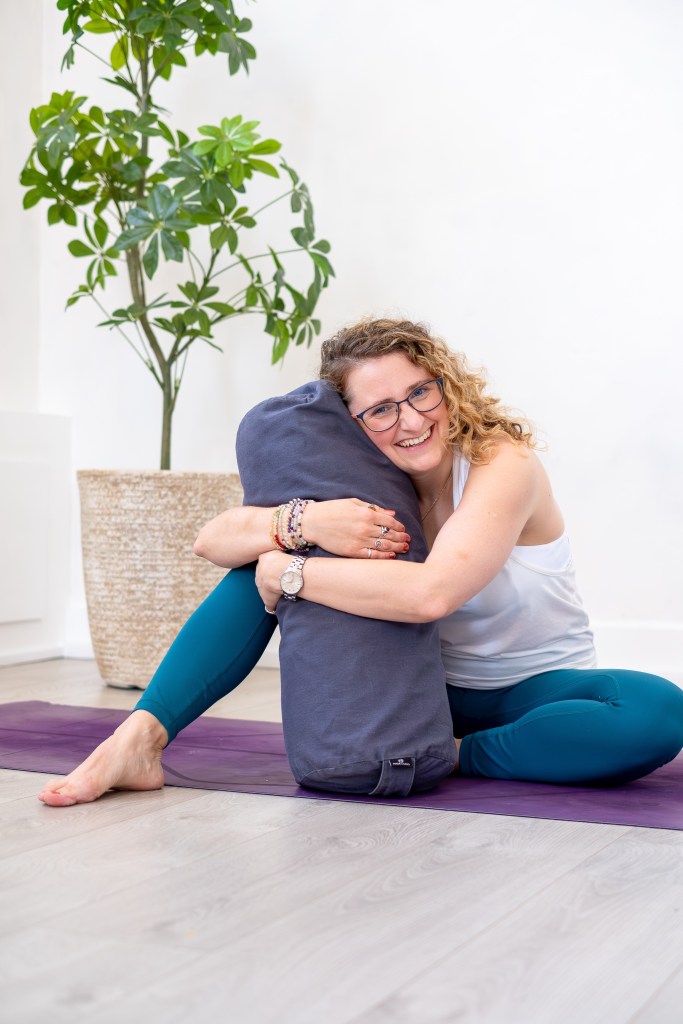
Hi! I’m Lou, a registered yoga teacher based in Twickenham.
I’ve been practicing yoga on and off since I was a teenager. But it wasn’t until I sustained a back injury playing a team sport in my mid-20s that yoga really became a big part of my life. I had lot of physio, and somewhere along the way I started going to regular pilates and yoga classes. And I fell in love with yoga.
For me, yoga is more than just the physical practice. It’s a mental, emotional and spiritual practice too. I’ve had some profound experiences on my mat, where I’ve crawled on feeling utterly broken (like a puzzle put together wrong) and walked off feeling more able to face the world.
I completed my 200hr in the summer of 2022. I’ve since trained to teach Mandala Vinyasa with Dulce and Malin Tennent, Yin with Norman Blair, and Yoga Nidra with Melanie Cooper. I’ve also completed hands on assisting training.
I love bringing some fun and creativity into my teaching, but mostly I enjoy holding space and encouraging students to drop into their bodies, their breath and their own experience. I’m here to guide the practice, not to give strict instruction!
My Qualifications
RYT 200hr Power Vinyasa – The House of Yoga
25hr Mandala Methodology, Dulce Mandala – The Yoga People
30hr Mandala and Chakras, Malin Tennent – The House of Yoga
44hr Yoga Nidra (levels 1 and 2) and Script writing, Melanie Cooper and Jennie Wadsten – The Shala
40hr Yin, Norman Blair – Indaba
25hr Hands on Assisting – The House of Yoga
CPD Courses
7hr Energy Balancing – The Shala
7hr Inversions and arm balances | playfulness and perspective – The Shala
Styles of Yoga
I am trained to teach four different styles of yoga. They’re all very different, but bring me a lot of joy whether teaching or practicing!
Power flow
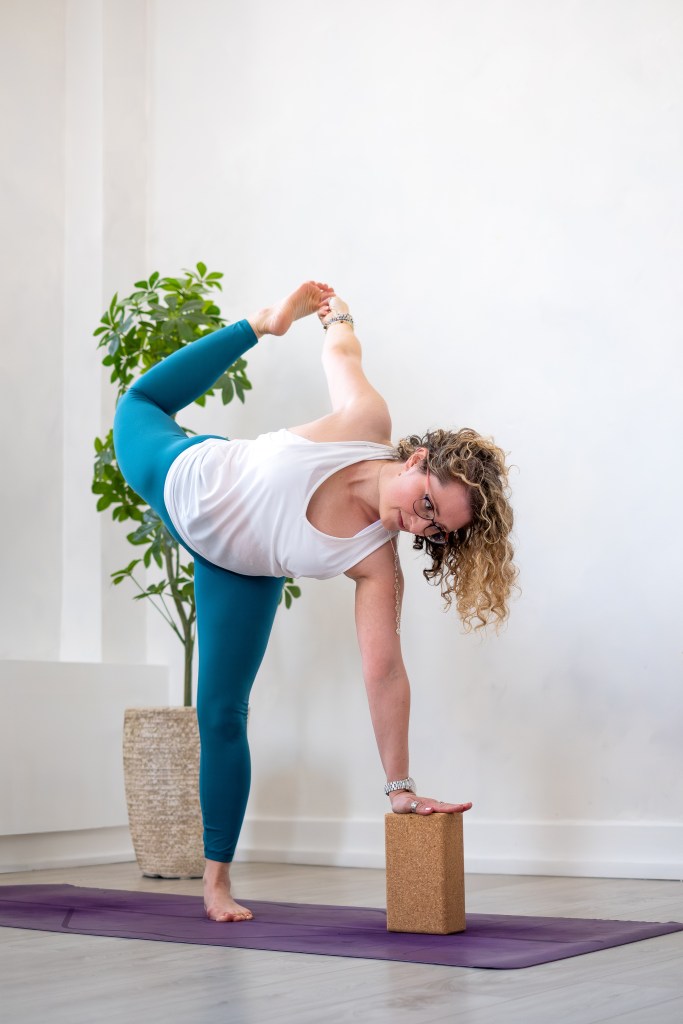
Power flow is a dynamic and invigorating style of yoga that combines strength, flexibility, and mindfulness. A practice focuses on flowing sequences of postures, synchronized with deep, rhythmic breathing. It aims to build physical strength, enhance flexibility, and cultivate mental clarity.
My power flow sequences are inspired by Baron Baptiste’s Journey into Power. It’s an empowering sequence that encourages us to push our limits, explore our edge, and discover our inner strength.
Yoga Nidra
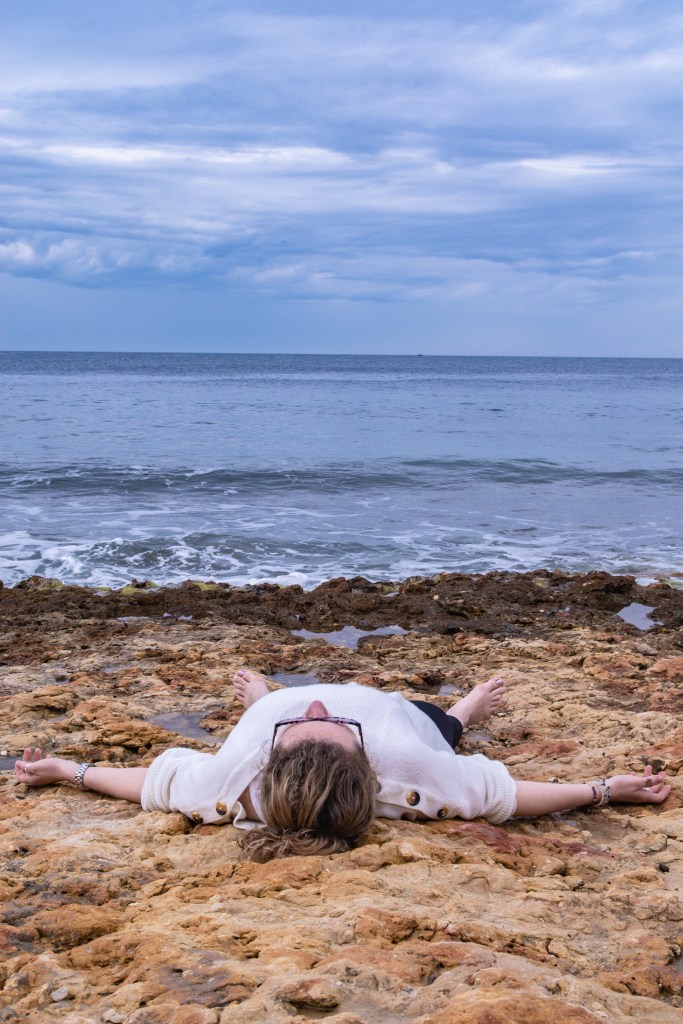
Yoga Nidra is often referred to as “yogic sleep”. It’s a deeply relaxing and meditative practice that brings about a state of conscious relaxation. In Yoga Nidra, we lie down in savasana and are guided through a systematic process of relaxation, moving through different stages of consciousness. This helps to induce a state of deep rest while remaining fully aware and awake.
Yoga Nidra provides us space for physical, mental, and emotional relaxation. Through the use of guided imagery, breath awareness, and body scanning, it helps release tension, stress, and stored emotions, promoting inner healing and rejuvenation. Regularly practicing Yoga Nidra can enhance clarity, creativity, and overall well-being, making it a valuable tool for relaxation, self-discovery, and personal growth.
Mandala Vinyasa
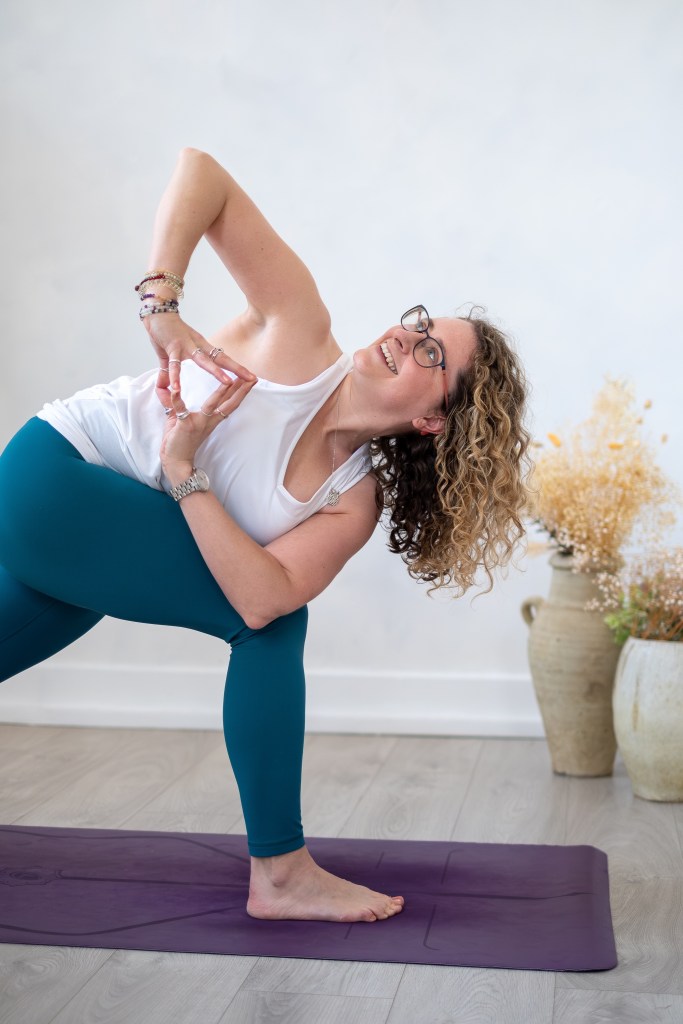
Mandala Vinyasa is a unique and creative style of yoga that explores the elements through the graceful movements of Vinyasa flow. The sequences are designed to incorporate dynamic asanas and fluid transitions, encouraging a harmonious connection between breath, movement, and meditation.
Mandala consists of four routines, each representing one of the four elements (Earth, Air, Fire, Water). These connect to a specific part of the body, and it’s energy. A sequence begins and ends with Yin to open the body. Then we flow through the asanas, and around the mat in a 360 degree pattern.
Mandala invites us to explore our unique expression and journey within our practice. It’s like a dance. It’s creative, playful and can feel incredibly beautiful to practice. It’s has brought me a lot of joy, and I aim to share that joy with my students.
Yin
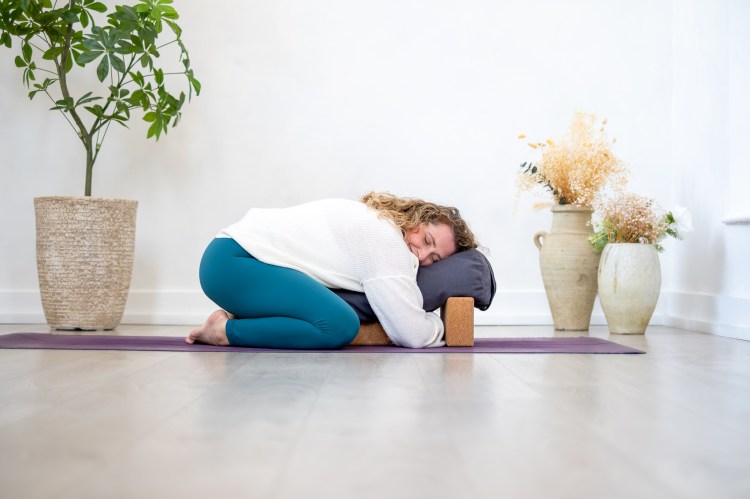
Yin Yoga is a gentle and introspective style of yoga that focuses on long-held, passive poses targeting the deep connective tissues of the body. In Yin Yoga, we hold postures for extended periods, sometimes up to 10 minutes, allowing for deep relaxation and the release of physical and mental tension. Unlike more active forms of yoga, Yin Yoga emphasises surrendering and softening into each pose, inviting a meditative state of mind (it’s often referred to as a “gateway to meditation”).
This practice promotes flexibility, mobility, and the stimulation of energy flow through the body’s meridian channels. Yin Yoga also encourages us to cultivate mindfulness and a greater sense of self-awareness, making it a nourishing and grounding practice for both the body and the mind.
 flowwithlou.com